Raising Monarch Caterpillars in Minnesota
Find monarch eggs on backyard milkweed and raise them through chrysalis to release, with an option to tag them for migration research.
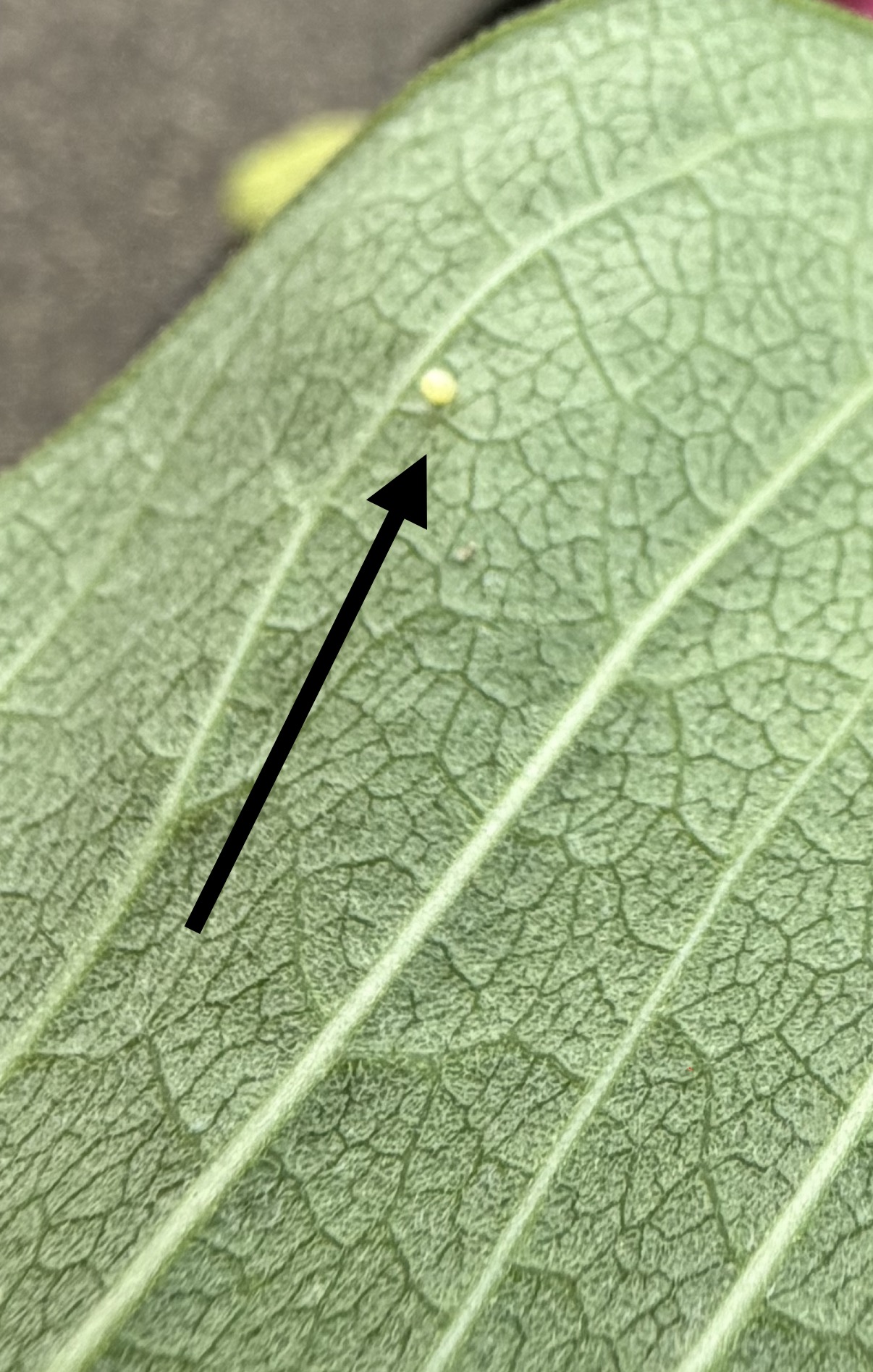
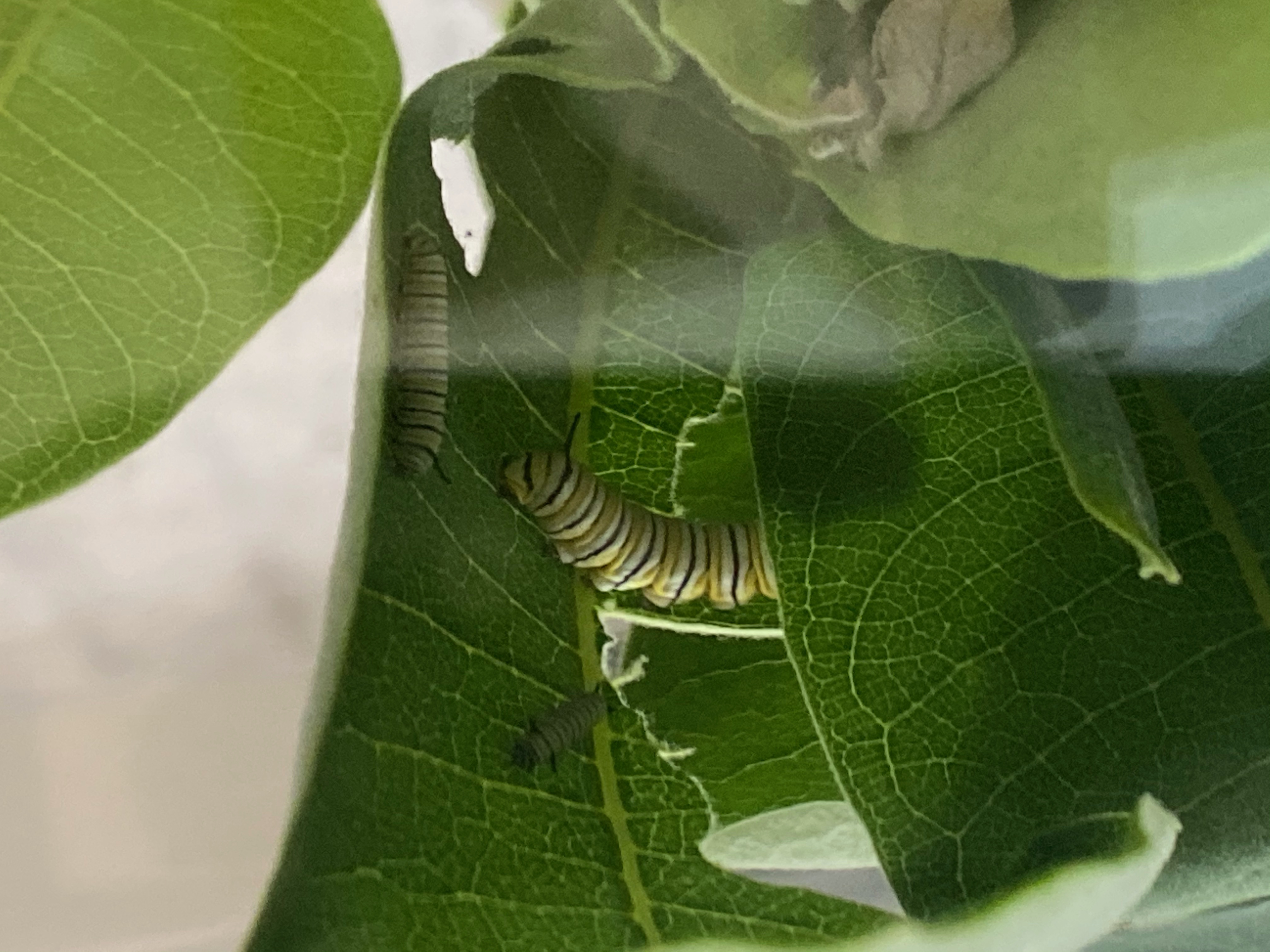
Minnesota summers put common milkweed in nearly every ditch and field edge, and monarchs lay eggs on it from roughly June through August. Raising a few from egg to butterfly is a several-week project kids can genuinely own, and the last generation of the season is the one that flies to Mexico.
What you need
- Fresh common milkweed
- A small lidded container with air holes for the egg stage
- A tall mesh habitat for the growing caterpillars
- Floral water vials to keep cut milkweed stems alive longer
- Tweezers or small scissors
- Paper towels for the bottom
- A monarch egg photo reference
Do this
-
Learn what to look for. Monarch eggs are tiny cream-colored dots about the size of a pinhead, almost always on the underside of a milkweed leaf. Study a photo before you head out so your eye is trained.
-
Collect the egg by snipping the leaf or the section of leaf holding it. Do not try to scrape the egg off.
-
Keep it in the small container until it hatches, usually three to five days. The newly hatched caterpillar is nearly invisible, so handle everything gently.
-
Once hatched and growing, move it to the larger mesh enclosure with plenty of vertical height and a steady supply of fresh milkweed.
-
Feed constantly. Caterpillars eat for about two weeks and grow dramatically. Replace the milkweed daily and clear out the droppings, called frass, to keep the habitat clean. Floral water vials on the cut stems buy you extra time between milkweed runs.
-
Watch for the chrysalis. When ready, the caterpillar climbs to the top, hangs in a J shape, and forms a jade-green chrysalis. This is exactly why the tall container matters. It stays there roughly eight to fourteen days.
-
Release. After the butterfly emerges, let its wings dry for several hours, then release on a warm, dry day.
-
Optional: tag late-season monarchs through Monarch Watch. It's a small sticker on the wing, and if your butterfly is recovered in Mexico you get notified.
What changes
Kids watch a complete metamorphosis up close instead of reading about it, and with tagging you contribute real data to migration research.